Daiso Nears ₩5 Trillion Sales on K-Beauty Tourist Demand
The South Korean budget retailer projects annual sales of nearly 5 trillion won ($3.7 billion), propelled by a significant increase in foreign tourist spending on K-beauty products.
Foreign Tourists Drive Sales Growth
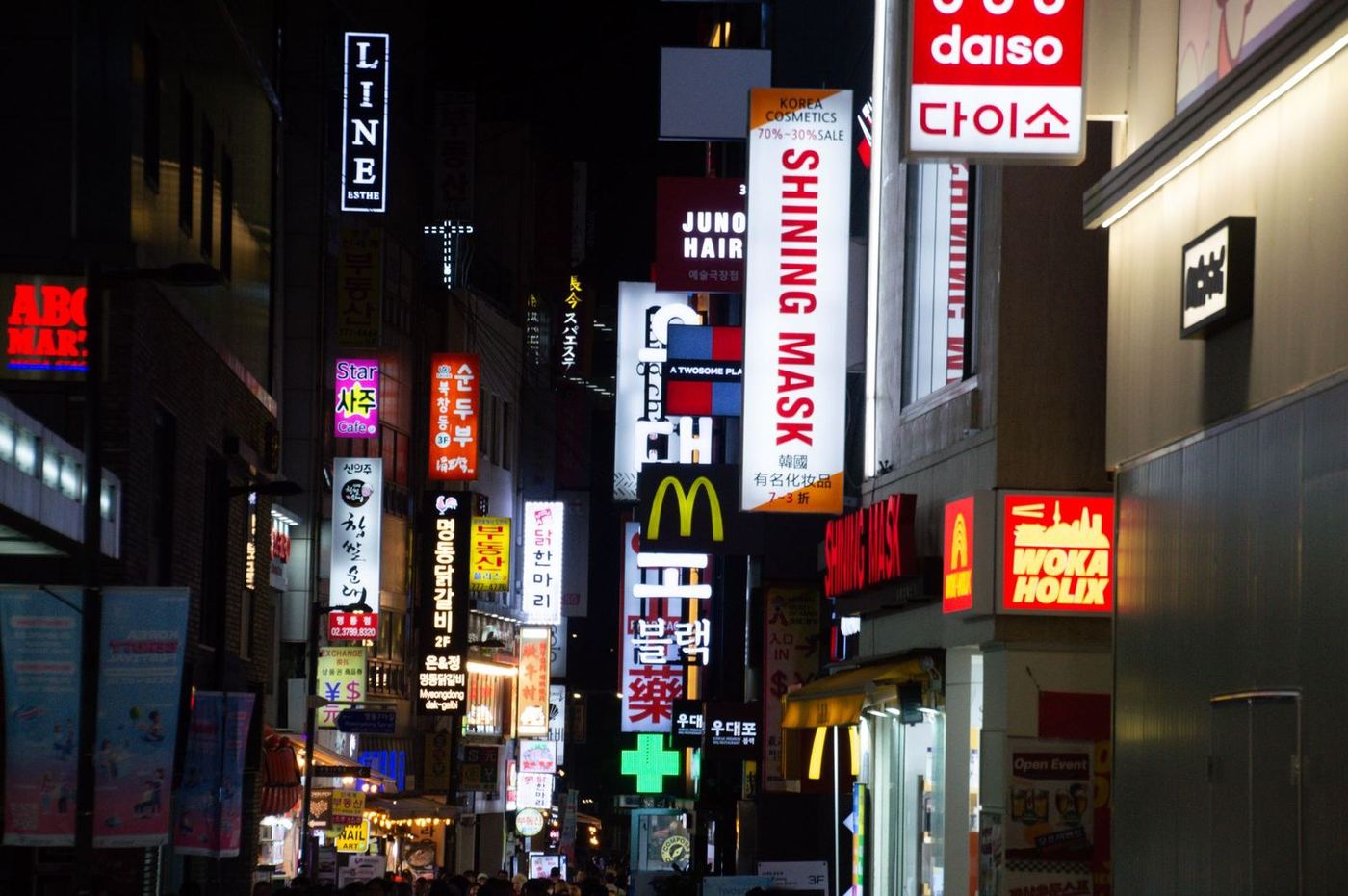
Daiso, a prominent South Korean budget retailer, is approaching 5 trillion won ($3.7 billion) in annual sales. This growth is largely attributed to a surge in foreign tourists purchasing inexpensive K-beauty products and souvenirs.
The company's Myeongdong Station branch in Seoul reports beauty products as its top-selling category, with international card transactions making up a substantial portion of purchases. Overall sales have seen consistent increases, rising from 2.6 trillion won in 2021 to 4.54 trillion won in 2025.
Accelerated Beauty Product Performance
The beauty product segment has been a key driver of Daiso's recent expansion. According to operator Asung Daiso, year-on-year growth for beauty product sales reached 50 percent in 2022, 85 percent in 2023, 144 percent in 2024, and 70 percent in 2025.
Spending via foreign-issued credit and debit cards also accelerated, jumping 130 percent in 2023, 50 percent in 2024, and 60 percent in 2025. This foreign transaction value doubled year-on-year during the first eight months of 2026.
Expanding Beauty Offerings and Retail Footprint
To meet rising demand for affordable beauty items, Daiso expanded its product range and retail strategy. The number of beauty brands available at Daiso increased from just seven in 2022 to approximately 170 this year. Concurrently, the total number of beauty products sold surpassed 1,900 in 2026, up from about 120 in 2022.
Reflecting this focus, Daiso opened its inaugural beauty-dedicated store last month near Konkuk University in eastern Seoul.
Implications for Korean Beauty Retail
Daiso's success with budget K-beauty products suggests a shift in international tourist shopping habits in South Korea, previously dominated by established retailers like Olive Young. The company's strict pricing policy, keeping products between 500 won and 5,000 won, has proven effective in attracting price-sensitive young travelers amid global inflation.
This trend indicates that brands and retailers aiming to capture the growing international visitor market in Korea should assess strategies for accessible pricing and broad product variety, potentially expanding dedicated beauty sections in high-traffic tourist areas.
Three newsletters, one newsroom.
The Beauty Brief delivers Asia's beauty week every Monday. Regulatory Radar tracks the rule changes that move markets. Trend Pulse decodes what consumers want next. All free to start.