Coty, O Boticário Launch In-Real-Life Fragrance Clubs
Major fragrance houses are establishing physical clubs, moving beyond digital platforms to engage enthusiasts and experts in Europe, the US, and China.
Coty's Global Initiative for Scent Dialogue
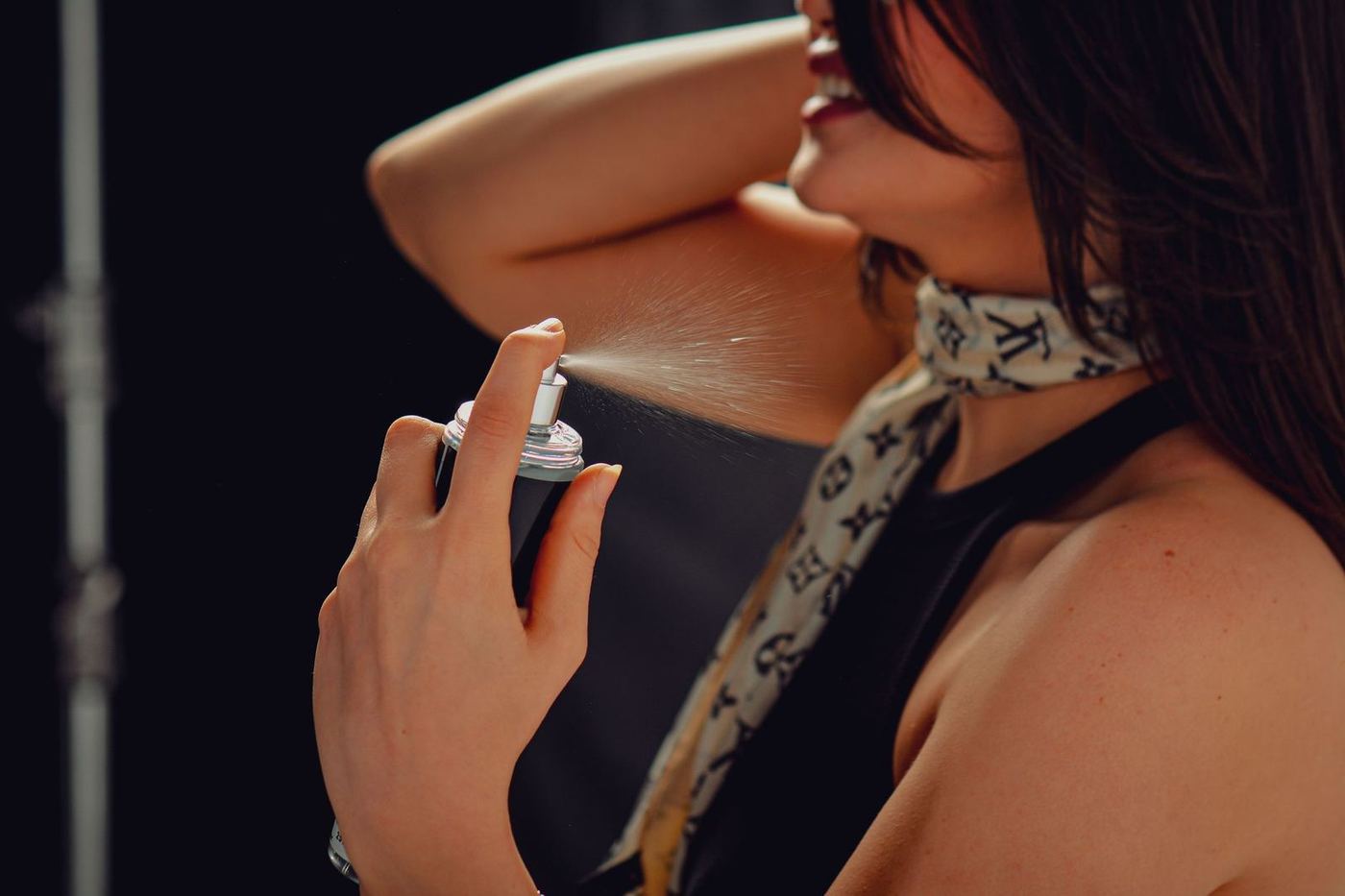
Fragrance communities are increasingly active on social media, prompting beauty brands to create in-real-life (IRL) experiences. Coty recently launched its new global fragrance club in Paris, bringing together fragrance experts, educators, creators, and community leaders with its own development teams.
The club aims to foster ongoing discussions on consumer behavior, cultural trends, creative storytelling, and innovation in fragrance. Participants, including members from Europe, the United Kingdom, the United States, and China, have met perfumers like Nathalie Lorson and Julie Massé to explore the creative processes behind modern perfumery.
Jean Holtzmann, Chief Brands Officer at Coty Prestige, stated the club integrates diverse perspectives with Coty’s expertise to shape the category’s future. Coty plans to expand this into a continuous global community.
O Boticário Connects Consumers to Creation
Following a similar trend, Brazilian beauty brand O Boticário introduced its own perfume club, holding its first gathering this year in Grasse, France. Inspired by wine and gastronomy clubs, O Boticário’s Clube da Perfumaria seeks to involve consumers more directly in the creative process of fragrance development.
Its inaugural event, featuring experts from fragrance house IFF, explored themes such as the evolution of floral fragrances, the increasing use of natural ingredients, contemporary interpretations of classic raw materials, and emerging industry trends.
Gustavo Dieamant, Executive Director of Research and Development for Grupo Boticário, emphasized that this format provides an opportunity to identify new trends and exchange insights with specialists on the future of fragrance creation.
From Digital Engagement to Real-World Connections
The emergence of brand-led fragrance clubs reflects a broader growth in grassroots perfume communities, particularly on North American college campuses and among niche fragrance enthusiasts in China.
This movement is partly driven by younger generations seeking more participatory experiences and authentic social connections, a trend sometimes called “perfume maxxing.” A July 2026 report by The Hustle described the rise of these clubs as a social phenomenon in the US, with activities ranging from informal blind-sniffing meetups to organized workshops.
In China, experiential clubs are also developing, combining social events like cocktail and tea gatherings with scent discovery and swapping, offering niche brands new avenues to connect with consumers outside traditional retail. These initiatives collectively aim to transform fragrance consumers into active participants in the category’s culture.
Implications for Asia's Beauty Economy
For established groups like Coty and O Boticário, these clubs offer a structured method to build strong relationships with highly engaged consumers and exchange knowledge with influential voices. This direct engagement provides a closer understanding of evolving consumer expectations and preferences, which is critical for product development and marketing strategies.
For Asia's beauty industry, the trend of experiential fragrance clubs, already seen with grassroots communities in China and Chinese members in Coty’s global club, suggests a growing demand for immersive brand interactions.
Asian brands and retailers can explore similar models to deepen consumer loyalty and gather real-time insights, potentially influencing product innovation and retail strategies in markets like South Korea and Japan, where consumers also value unique experiences.
Three newsletters, one newsroom.
The Beauty Brief delivers Asia's beauty week every Monday. Regulatory Radar tracks the rule changes that move markets. Trend Pulse decodes what consumers want next. All free to start.