Hypochlorous Acid Sprays Move from Clinical to Consumer Skincare
Hypochlorous acid (HOCl), long used in medical settings, is now appearing in consumer skincare products, particularly in spray formats. This shift reflects growing consumer interest in ingredients that support skin barrier health and address concerns like redness and bacteria.
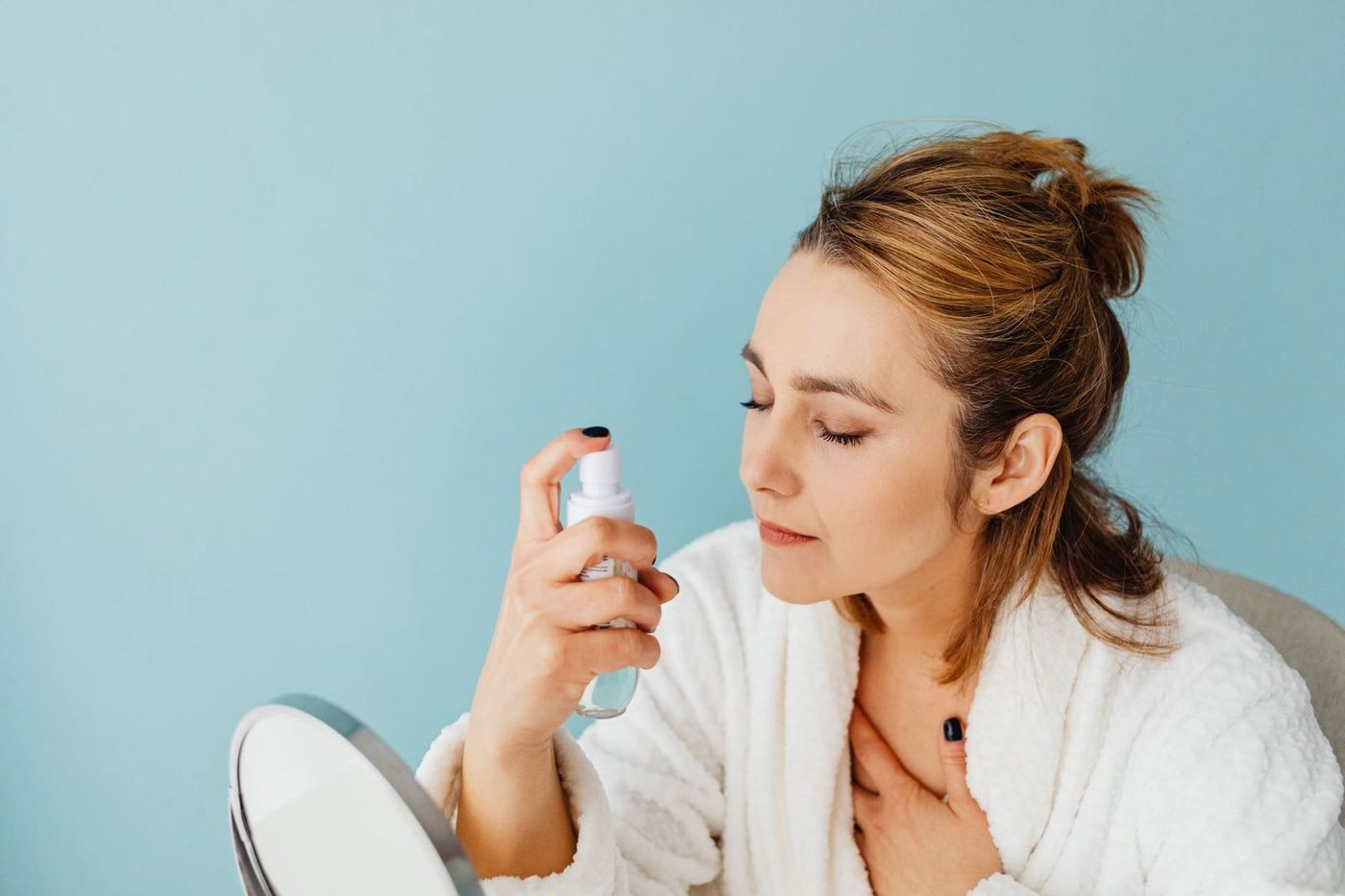
Hypochlorous Acid Gains Consumer Traction
Hypochlorous acid (HOCl) is transitioning from clinical applications into consumer skincare. Beauty brands are increasingly incorporating this ingredient, often focusing on spray formats. Michelle Ventresca, an aesthetician and founder of Live by Skin, states HOCl helps reduce skin bacteria, calms visible redness, and supports a healthy skin barrier without harshness or drying.
This gentle molecule is naturally produced by white blood cells to defend against bacteria and aid skin healing. Consumers are adopting HOCl products, particularly in spray form, for easy reapplication throughout the day. Ventresca notes its suitability for acne-prone individuals, as it can complement treatment routines without causing irritation.
Historical Use and Market Drivers
Board-certified dermatologist Shamsa Kanwal, M.D., highlights that hypochlorous acid is not a new ingredient. It has been used for years in wound care and medical cleansing. Its recent rise in popularity in consumer products stems from several factors.
These include advancements in stabilization and packaging, alongside a growing consumer preference for simple, sensitive-skin-friendly formulations. Social media platforms have also played a role, transforming this previously clinical ingredient into an everyday skincare component. The ingredient's versatility is a key appeal, as it integrates easily into most skincare regimens.
Application and Underlying Consumer Trends
Ventresca advises applying hypochlorous acid after cleansing, allowing it to dry for 60 seconds before layering serums and moisturizers. Its application extends beyond the daily routine. Consumers can use it after workouts, on hot or sweaty days, following mask-wearing, or whenever skin feels irritated and requires a quick refresh. This broad utility supports its adoption.
The increasing demand for HOCl also reflects a broader consumer trend: a heightened interest in the scientific principles behind skincare and the importance of maintaining skin barrier health. This focus drives demand for ingredients perceived to offer tangible benefits in these areas.
Implications for Asia's Beauty Sector
The expanding consumer market for hypochlorous acid presents a clear opportunity for Asia's beauty industry. Manufacturers in South Korea, Japan, and China, known for rapid ingredient innovation and product development, can capitalize on this trend by formulating new HOCl-based sprays and treatments.
Brands targeting sensitive skin or post-procedure care in markets like Singapore and Hong Kong may find HOCl products resonate with consumers seeking gentle yet effective solutions.
Ingredient suppliers should focus on stable formulations of HOCl to meet increasing demand from beauty companies looking to integrate this active into their offerings, particularly for export to markets with high scientific literacy in skincare.
Three newsletters, one newsroom.
The Beauty Brief delivers Asia's beauty week every Monday. Regulatory Radar tracks the rule changes that move markets. Trend Pulse decodes what consumers want next. All free to start.