KPMG: Luxury Rebound This Year, Driven by Beauty & Wellness
Consulting firm KPMG predicts a recovery for the luxury sector this year, driven by strategic shifts into accessible categories like beauty and wellness goods and services.
Luxury Sector Poised for 2026 Recovery
The global luxury sector is set for a recovery by the end of 2026, despite ongoing geopolitical uncertainties, according to a report published by consulting firm KPMG on September 22. Guillaume des Rotours, KPMG's Global Head of Luxury, noted during a press briefing that new designers at some luxury houses are revitalizing specific segments.
The industry has experienced a two-year slowdown following rapid growth, primarily due to reduced demand in China and significant price increases across product lines. These price adjustments have made luxury items less attainable for aspirational consumers, defined by KPMG as those spending under EUR 2,000 annually on luxury goods.
Accessible Luxury Driven by Beauty and Wellness
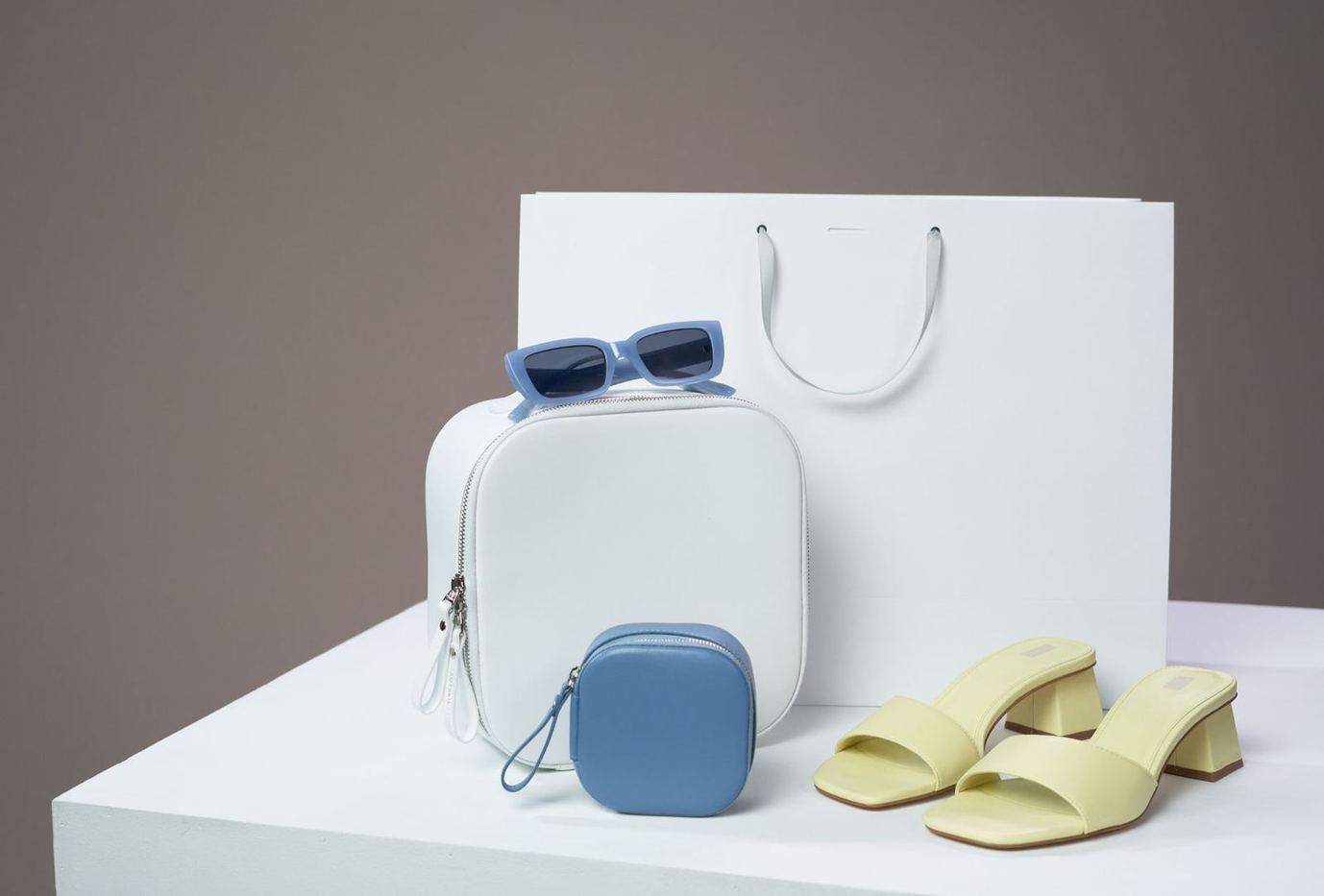
To re-engage existing customers and attract younger consumers, some luxury brands are expanding into more accessible price points. Fragrances, cosmetics, and wellness products and services are emerging as key categories in this push for accessible luxury.
KPMG's report, based on interviews with 200 international decision-makers, suggests that this recovery will differ from previous growth cycles. Companies are adapting to a new market structure, particularly regarding geographic focus, as consumers become more informed and selective, expecting tailored offerings.
Shifting Geographic Focus and Local Investments
Historic luxury brands can no longer rely solely on the Chinese market or the traditional European luxury model for expansion, KPMG states. The firm points to the increasing influence of regional players capable of international growth, citing Chinese jeweler Laopu Gold as an example. In response, some luxury groups are investing in local brands through equity stakes.
LVMH's investments in Asia through the L Catterton fund are highlighted as an instance of this strategy, reflecting a broader adaptation to localized market dynamics.
Wellness and Longevity as Long-Term Drivers
KPMG identifies wellness and longevity as significant long-term growth drivers for the luxury sector, concluding that "health is the new wealth." This trend extends beyond traditional spas in luxury hospitality, with clients seeking longer, personalized retreats, targeted treatments for issues like insomnia, preventive care, and specialized longevity programs.
The report emphasizes that products are now judged on their intrinsic quality, craftsmanship, and origin, rather than solely on brand representation, indicating a return to core strengths.
Consequence for Asia's Beauty Economy
Asia's beauty economy stands to gain from the luxury sector's pivot towards accessible beauty and wellness. Asian beauty brands and manufacturers can capitalize on the demand for high-quality, craft-focused products, particularly in the growing wellness and longevity segments.
The shift away from sole reliance on traditional markets and the emphasis on regional players, as seen with Laopu Gold, creates opportunities for Asian companies to scale internationally. Furthermore, investment funds like L Catterton's activities in Asia show capital flowing into the region's brands, supporting their expansion and innovation in these trending categories.
Three newsletters, one newsroom.
The Beauty Brief delivers Asia's beauty week every Monday. Regulatory Radar tracks the rule changes that move markets. Trend Pulse decodes what consumers want next. All free to start.