German State Questions BASF's €10.3 Billion Evonik Bid
North Rhine-Westphalia has called for protection of Evonik's jobs and independent development after the specialty chemicals group rejected BASF's €10.3 billion takeover proposal.
State Expresses Concerns Over Evonik's Future
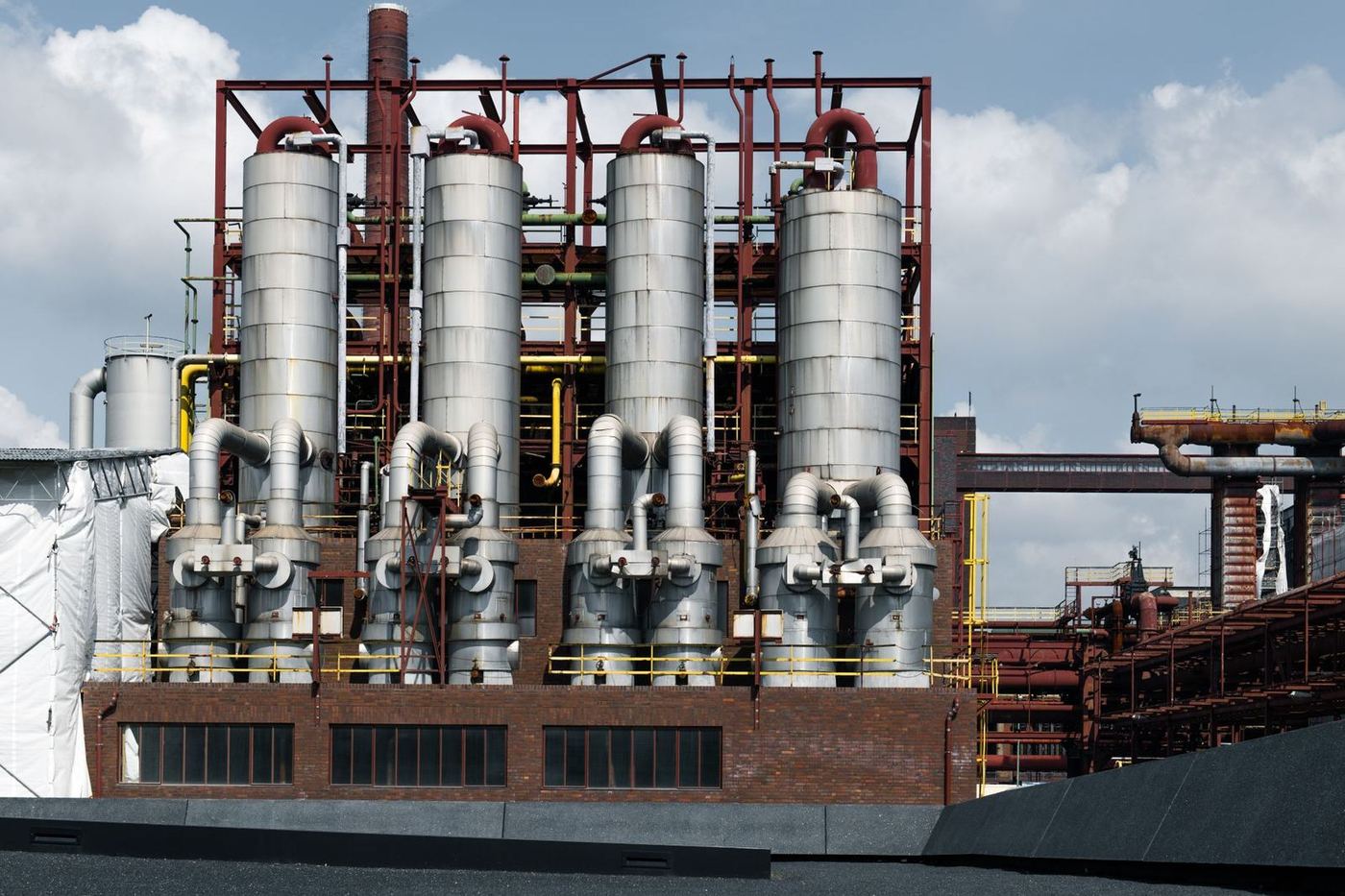
The German state of North Rhine-Westphalia has publicly stated its demand for the protection of jobs and the independent growth of specialty chemicals producer Evonik. This intervention follows Evonik's rejection of a €10.3 billion (US$11.55 billion) takeover offer from chemical giant BASF.
The state government views Evonik as a crucial component of its industrial foundation, with significant ties to the Ruhr region’s economy. This move introduces a political dimension to any potential consolidation discussions between two of Europe's largest chemical groups, extending considerations beyond just financial valuation.
Regional Government's Influence in Potential Deal
North Rhine-Westphalia holds a potentially decisive position in any future transaction involving Evonik. State Premier Hendrik Wüst is a trustee on the board of the RAG Foundation, which serves as Evonik’s largest shareholder. Any sale of the RAG Foundation's shares would require its approval, granting the state significant influence over Evonik's ownership.
The state's concerns about employment and Evonik's autonomy are expected to be central factors in any further negotiations, alongside the financial terms of a potential acquisition.
Political and Shareholder Considerations
The state's involvement adds a layer of complexity to the potential merger, moving discussions beyond purely economic terms. Employment levels, manufacturing capabilities, and the long-term independence of Evonik are now key political and shareholder considerations.
While BASF's initial offer was deemed too low by Evonik, according to sources cited by Reuters, the broader implications for regional industry and workforce stability are now prominent. This situation highlights how large-scale industrial mergers can attract scrutiny from regional governments concerned with local economic impact.
Implications for Asia's Beauty Ingredient Sourcing
For Asia's beauty industry, a potential consolidation of major European ingredient suppliers like BASF and Evonik could reshape global sourcing dynamics. Asian beauty brands and manufacturers, particularly those reliant on specialty chemicals for formulations, might face reduced competition among their key suppliers.
This could impact ingredient pricing, availability, and access to new innovations. Companies in markets such as South Korea, Japan, and China, known for their advanced cosmetic R&D, may need to reassess their supply chain resilience and explore diversified sourcing strategies to mitigate potential shifts in the global ingredient market.
Three newsletters, one newsroom.
The Beauty Brief delivers Asia's beauty week every Monday. Regulatory Radar tracks the rule changes that move markets. Trend Pulse decodes what consumers want next. All free to start.