
Shein Valuation Drops to $25 Billion in Hong Kong IPO
Chinese fast-fashion retailer Shein listed on the Hong Kong stock exchange this week, achieving a valuation of $25 billion. This figure represents a significant decline from its 2022 valuation of $100 billion, following years of IPO delays and market challenges.
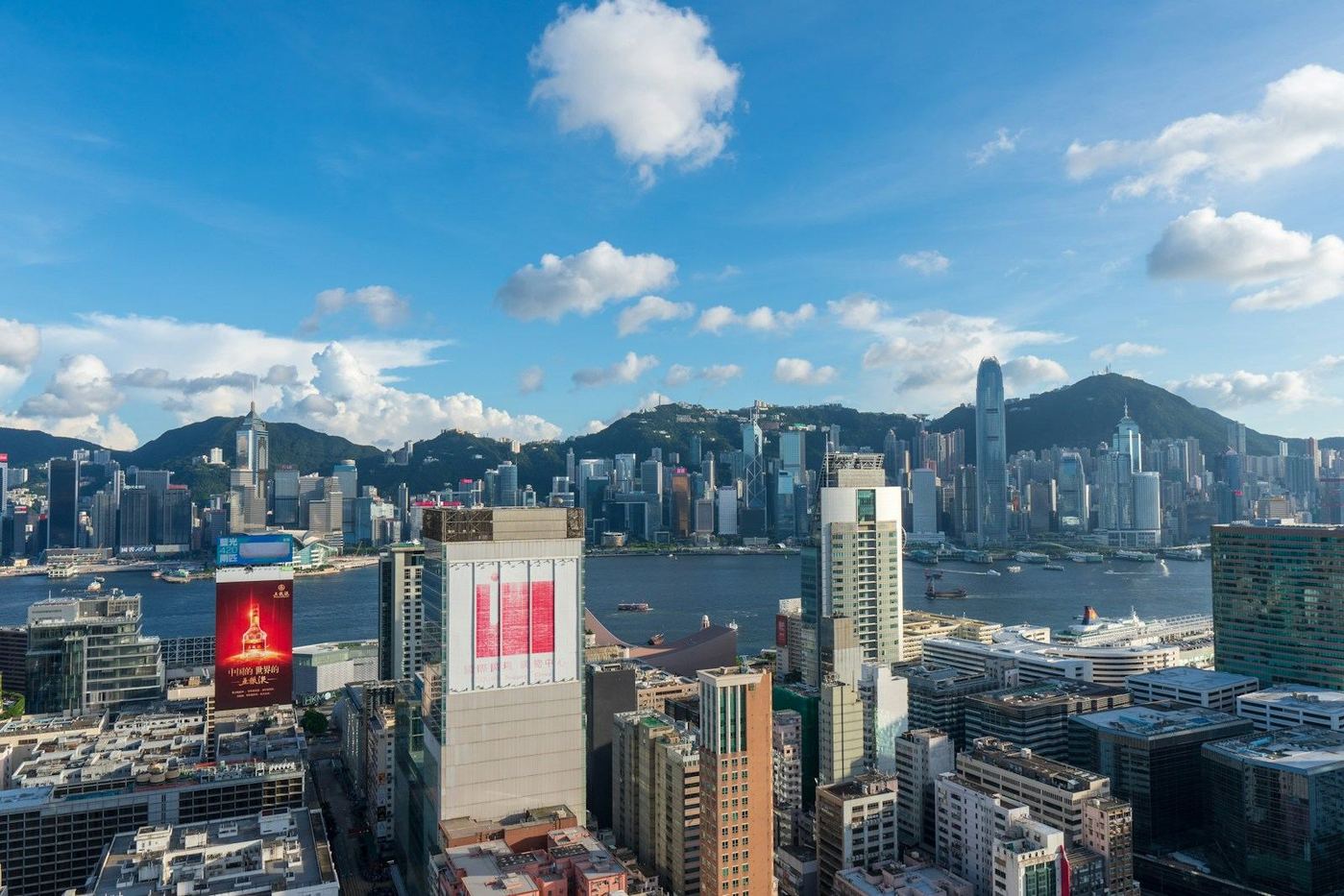
IPO Valuation Significantly Lower Than Expected
Shein, the China-based fast-fashion retailer, went public on the Hong Kong stock exchange this week. The company achieved a valuation of approximately $25 billion. This public offering occurred four years later than initially planned. Shein first sought to go public in 2022, but faced extended delays due to political obstacles in New York and subsequently in London.
The final valuation of $25 billion marks a substantial decrease from the $100 billion valuation the company held in 2022.
Public Relations and Consumer Sentiment Shifts
Shein's business has faced setbacks from a series of public relations challenges. These incidents include a widely criticized influencer trip and protests outside its initial physical store in Paris. These events, according to industry observers, positioned Shein as a symbol for consumer concerns regarding fast fashion practices.
These concerns encompass ultra-low-cost production, reported poor working conditions, and environmental impact. The company also experienced a decline in popularity among its Gen Z audience. Support from this demographic dropped by as much as 20% in some months, partly due to negative press and an increasing consumer preference away from materials like polyester.
Gen Z consumers now have more low-cost clothing options, including platforms like Temu, Amazon, and TikTok Shop, alongside growing interest in resale markets.
Impact of Changing Import Regulations
A key factor in Shein's reduced market position was the termination of the de minimis exemption in the United States. This exemption previously allowed tariff-free imports valued under $800.
Shein had substantially relied on this rule to import large quantities of low-cost goods into the U.S. The end of this exemption reportedly shifted Shein from a profitable position to a nearly $100 million loss. The company states it has spent recent months working to mitigate these losses.
Europe has also implemented similar trade measures, introducing a temporary duty on low-value parcels starting July 1. Analysts suggest that if more countries adopt such policies, Shein's ability to maintain its prior growth trajectory will be severely impacted.
Implications for Asia's Beauty Economy
The regulatory changes impacting Shein carry direct relevance for Asia's beauty industry, particularly for brands engaged in cross-border e-commerce. The removal of de minimis exemptions in the U.S. and new duties in Europe on low-value parcels mean higher costs and increased complexity for Asian beauty brands exporting directly to consumers.
These policy shifts necessitate a reassessment of pricing strategies and supply chain logistics for all low-value goods. Furthermore, the observed decline in Gen Z consumer interest due to sustainability concerns and a preference for alternatives to 'fast' consumption models shows a broader trend.
Asian beauty brands must consider their material sourcing, environmental claims, and ethical production practices to maintain appeal with this crucial demographic.
Three newsletters, one newsroom.
The Beauty Brief delivers Asia's beauty week every Monday. Regulatory Radar tracks the rule changes that move markets. Trend Pulse decodes what consumers want next. All free to start.