Trouble Maker Launches Blind-Box Lip Gloss in Australia
Cosmetics brand Trouble Maker introduced its Feral Teddy lip gloss in Australia, adopting a blind-box sales model. This strategy aims to engage younger consumers with nine concealed shades.
Trouble Maker Introduces Feral Teddy Lip Gloss
Cosmetics brand Trouble Maker, co-founded by Adam and Sally Minto, launched its Feral Teddy lip gloss in Australia last month. The product uses a blind-box sales approach, offering nine distinct shades. Consumers do not know the shade until purchase. Each unit retails for A$7. This launch follows the brand's debut in Britain in August last year.
The company states this model aims to engage "Gen Zalpha" consumers. Retailer Target describes the purchase as a "game of chance," encouraging customers to collect the full set or trade items. Kmart stores in Australia are the first globally to feature a full wall display of these mystery lip gloss bags, according to Adam Minto.
Blind-Box Model Reflects Broader Retail Trend
The blind-box model reflects a broader retail trend for collectible merchandise. This format, where shoppers receive one item from a larger set without knowing the specific design, creates a sense of anticipation. Pop Mart, for example, generated over A$800 million in revenue during the first half of 2026 from its blind-box toy lines like Labubu.
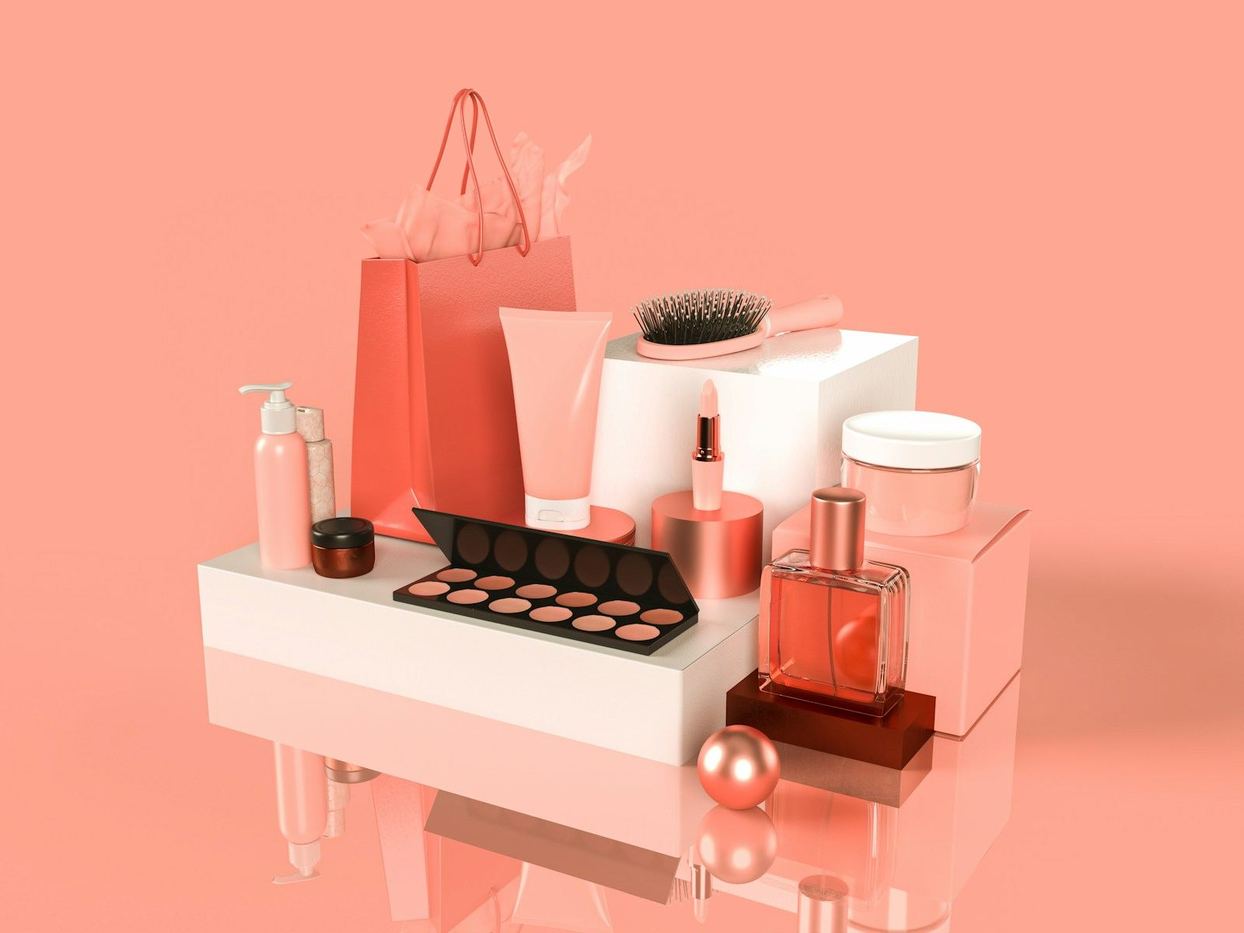
The retail strategy extends to beauty, with brands like P. Louise dedicating categories to makeup mystery boxes. Dr. PawPaw offers collectible charms with its balms at Kmart. Even prestige beauty brands show similar trends; Coty describes newly relaunched Marc Jacobs Beauty products as "collectable objects." Laneige pairs its Glaze Craze lip serums with doughnut keychains.
Dr. Christina Anthony, a consumer psychologist at the University of Sydney, states this creates an "emotional lottery" for shoppers.
Environmental Concerns and Future Outlook
The blind-box model's focus on repetition and the pursuit of rare items raises environmental concerns. This approach can lead consumers to buy multiple units to find a desired item, generating waste. Estimates suggest around 80 percent of all box toys eventually end up in landfill or incineration. In 2023, Funko recorded a US$30.3 million inventory write-down.
This write-down included the physical destruction of excess products as part of a stock-reduction program. For Trouble Maker, the long-term success of this model beyond initial novelty remains a key question. Adam Minto stated the brand is "excited to see how much viral Trouble we can cause in Australia."
Implications for Asia's Beauty Industry
The blind-box trend presents specific considerations for Asia's beauty industry. Brands in markets like South Korea and Japan, known for strong collectible cultures and rapid product cycles, may find this model resonates with local consumers, particularly younger demographics.
The strategy could drive repeat purchases and social media engagement, but also requires careful management of inventory and waste. Asian manufacturers and brands considering this approach must assess both consumer demand and the environmental footprint. This includes evaluating packaging materials and end-of-life solutions to mitigate landfill impact.
The model's success in Australia could prompt similar launches across Asia, influencing product development and marketing investments.
Three newsletters, one newsroom.
The Beauty Brief delivers Asia's beauty week every Monday. Regulatory Radar tracks the rule changes that move markets. Trend Pulse decodes what consumers want next. All free to start.