
EU Imposes Anti-Dumping Duties on Chinese Sodium Benzoate for Cosmetics
The European Union has implemented provisional anti-dumping duties on sodium benzoate imports from China, a chemical frequently used as a preservative in cosmetics. The move affects major Chinese exporters, with duties ranging from 57.6% to 116.4%.
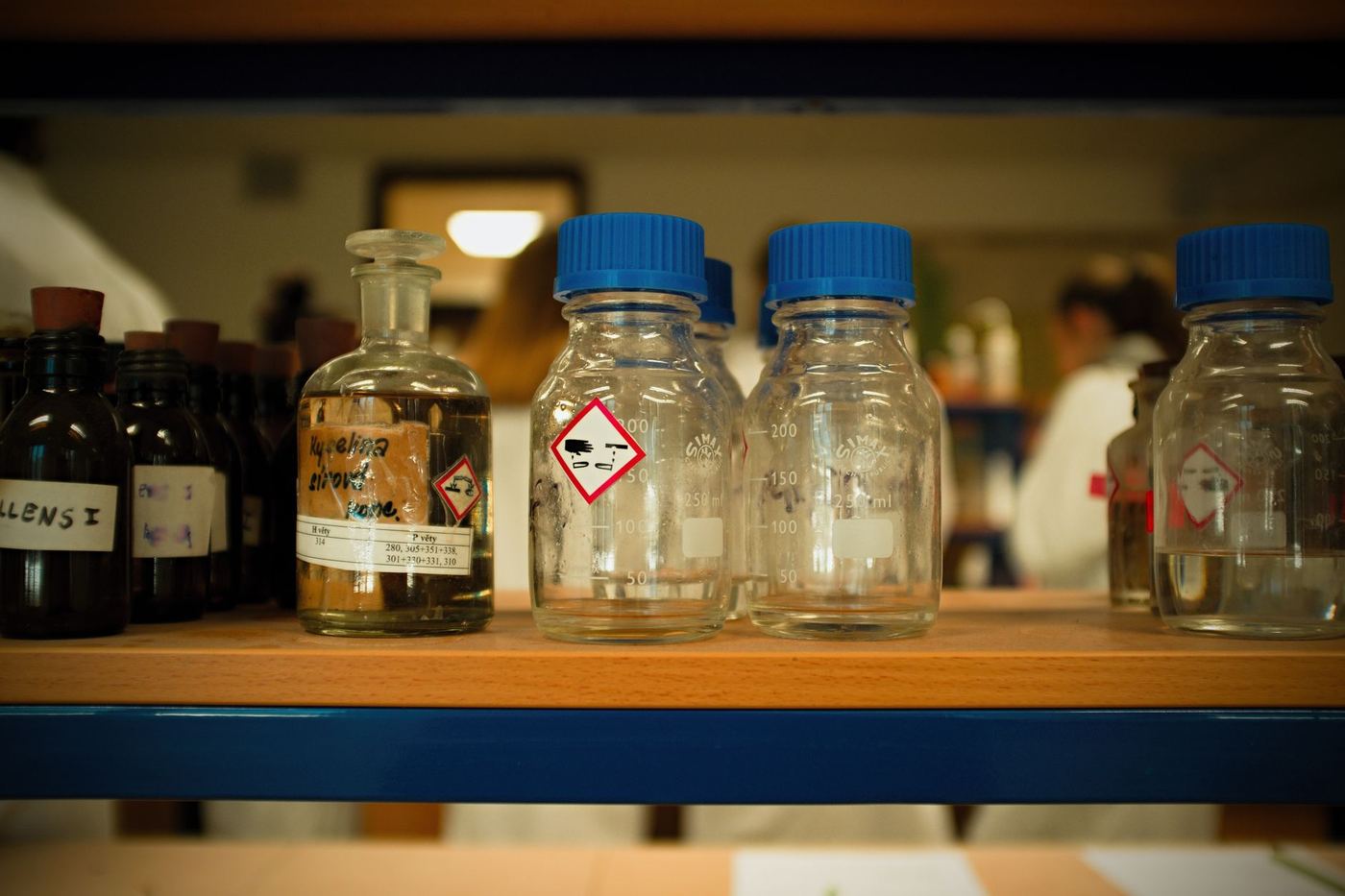
EU Implements Provisional Duties on Chinese Preservative
The European Union has implemented provisional anti-dumping duties on sodium benzoate imports originating from China. This chemical compound is commonly incorporated as a preservative in various cosmetic formulations. The new measure became effective on July 29, 2026, following a detailed investigation by the European Commission into alleged unfair pricing practices.
Specific duty rates have been applied to key Chinese exporters. Wuhan Youji Industries faces a 57.6% duty on its shipments. Imports from Shandong TongTaiWeiRun Food Science Tech will incur a 63.8% duty. Tianjin Dongda Chemical Group is subject to a 75.4% duty. All other Chinese exporters of sodium benzoate will see a significantly higher duty of 116.4%.
Commission Cites Chinese Government Support for Chemical Industry
The European Commission initiated its investigation after German specialty chemicals company Lanxess formally requested anti-dumping proceedings. Lanxess asserted that extensive Chinese government intervention in the market distorted prices, resulting in artificially low costs for sodium benzoate.
The Commission's findings revealed that China's government has consistently prioritized its chemical industry within various policy documents. It also noted specific measures designed to favor domestic chemical producers.
The complainant further concluded that China's government actively controls and regulates the entire sodium benzoate chemistry value chain, spanning both national and provincial administrative levels.
Implications for Asia's Beauty Economy
This provisional measure could lead to the imposition of definitive duties, which typically remain in effect for five years, pending the investigation's conclusion by the end of January 2027. For Asia's beauty industry, this development means increased procurement costs for EU-based cosmetic brands and manufacturers that source sodium benzoate from China.
Asian beauty brands exporting products to the EU, especially those relying on Chinese-sourced sodium benzoate in their ingredient lists, will also face higher input costs or may need to explore alternative suppliers. Ingredient houses and contract manufacturers across Asia should assess their current supply chains and adjust sourcing strategies.
The duties may encourage a diversification of preservative sourcing away from Chinese origins, potentially creating new market opportunities for other Asian chemical producers.
Three newsletters, one newsroom.
The Beauty Brief delivers Asia's beauty week every Monday. Regulatory Radar tracks the rule changes that move markets. Trend Pulse decodes what consumers want next. All free to start.