Lush to Exit 10 Australian Westfield Stores
The British cosmetics retailer cites growth ambitions for its phased withdrawal as leases expire, following past campaigns that prompted landlord disputes.
Lush's Australian Store Strategy
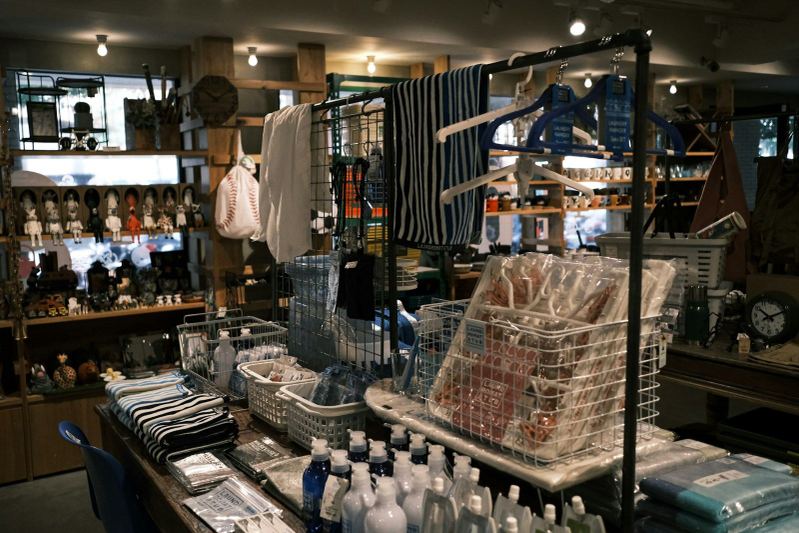
British cosmetics retailer Lush plans to close 10 of its Australian Westfield stores as their leases expire. A company spokesperson confirmed the closures to news.com.au, stating Lush aims to expand its national presence by serving local communities with appropriately sized and located stores.
This phased withdrawal from Westfield shopping centres, which are owned and operated by Scentre Group in Australia and New Zealand, invites questions about the company's future retail strategy and its choice of commercial partners.
Brand Values and Campaign History
Lush is known for integrating its ethical convictions into its business operations. In November 2021, the brand globally exited major social media platforms like Instagram, Facebook, TikTok, and Snapchat, citing concerns about mental health risks, particularly for young people.
More recently, on October 23, 2025, Lush closed its Australian stores, website, and Sydney factory for a day in solidarity with Gaza, displaying signs that read "Stop starving Gaza." Lush co-founder Rowena Bird noted that such campaigns, which sometimes "get into trouble," show the company has "hit the right spot." The company clarified its Gaza message focused on access to food as a fundamental human right, not politics or religion.
Unconfirmed Reasons for Departures
The planned departure from Westfield stores has led to speculation, including whether a signage dispute played a role. Inside Retail Australia reported that Westfield covered Lush's Gaza campaign signage last year.
Dean Salakas, CEO and co-founder of Retail Community, an Australian retail industry networking organization, highlighted the lack of a clear public explanation for the non-renewal of leases.
Salakas observes Lush's consistent approach to social causes, referencing its 2012 anti-animal testing and 2018 Australia Day campaigns, noting these decisions influence its marketing and store operations. Such stands can attract some customers while alienating others.
Implications for Retail Footprint in Asia
Lush's strategic shift in Australia, driven by a desire for "the right locations" and store types, reflects a global trend where brands reassess their physical retail presence. For Asian beauty retailers and brands, this move illustrates the commercial complexities of aligning brand values with landlord relationships and market expansion.
While Lush has a significant presence across Asia, no similar large-scale withdrawal from major Asian mall operators has been reported. However, the situation shows how a brand's public stance can influence its retail footprint and property negotiations, potentially impacting future lease terms and location choices for brands expanding into or within Asia.
Asian brands considering global expansion should note the potential for such non-commercial factors to affect their market entry and operational decisions.
Three newsletters, one newsroom.
The Beauty Brief delivers Asia's beauty week every Monday. Regulatory Radar tracks the rule changes that move markets. Trend Pulse decodes what consumers want next. All free to start.