BASF Unveils Peptide, Polysaccharide, Extraction Research
BASF presented new findings on collagen-hybridizing peptides and sustainable plant water extraction at the 2026 IFSCC Congress in Perth, Australia.
Collagen-Hybridizing Peptides for Skin Repair
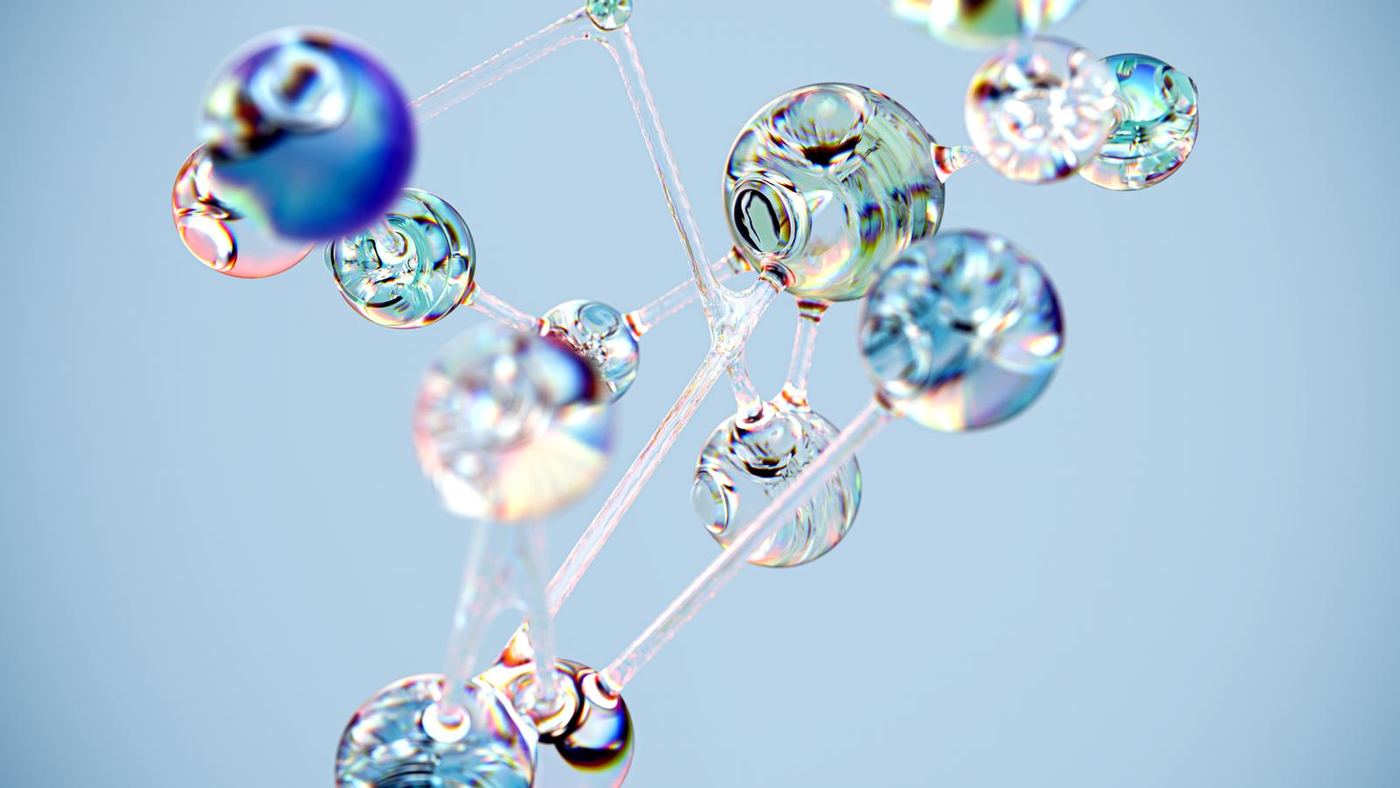
BASF introduced its collagen-hybridizing peptide (CHP) research at the International Federation of Societies of Cosmetic Chemists’ (IFSCC) 2026 Congress in Perth, Australia. These peptides, drawing inspiration from biomedical studies, identify and bind to damaged collagen structures.
They also enhance fibroblast-matrix interactions, which are essential for skin regeneration processes. A clinical study demonstrated the lead CHP candidate selectively targets altered collagen, stimulates procollagen I production, supports tissue repair, and significantly reduces damaged collagen.
This work, supported by advanced AI-driven molecular modeling, shows how intelligent peptide technologies can address visible signs of skin aging through targeted collagen repair and improved cellular communication.
Bio-Based Polysaccharides for Skin Health
In Perth, BASF also presented joint research with Stanford University on bio-based polysaccharides. This project revealed how these compounds form functional films on the skin, influencing hydration, barrier properties, and overall formulation performance.
Researchers investigated how molecular entanglement and biopolymer crystallization contribute to film formation and regulate water transport within the stratum corneum. Results indicated these bio-based additives improve hydration retention, facilitate emollient penetration, and reduce drying-induced stress while maintaining optimal skin barrier function.
These findings inform the development of sustainable, high-performance moisturizing formulations that support long-term skin health.
Sustainable Plant Water Extraction Methods
Nicole Lv, Technical Key Account Manager for BASF Beauty Care Solutions, APAC, introduced a novel plant extraction method in a podium presentation. This approach uses naturally derived solvents, specifically coconut water, to extract valuable plant compounds.
The research demonstrated that coconut water serves as an effective and sustainable alternative to conventional extraction solvents, delivering enhanced efficacy. The study showed coconut water significantly increased polyphenol content from various botanical sources.
It also enriched rose and citrus extracts in valuable compound classes like flavonol glycosides and flavanone glycosides. Furthermore, extracts obtained through coconut water extraction showed benefits related to epidermal cohesion and barrier resilience. This method creates new ways to source potent cosmetic ingredients through bio-inspired extraction technologies.
Implications for Asia's Ingredient Sector
These BASF innovations offer direct benefits for Asia's beauty industry. The targeted collagen repair capabilities of CHPs can drive the creation of advanced anti-aging product lines by Asian brands aiming for specific efficacy claims.
The research on bio-based polysaccharides guides regional formulators in developing next-generation hydrating products, aligning with growing consumer demand for natural and sustainable ingredients. Moreover, the sustainable plant water extraction method provides Asian manufacturers with a greener alternative for sourcing potent botanical actives.
This approach can reduce reliance on traditional solvents, support local supply chains for materials like coconut water in Southeast Asia, and strengthen product claims for sustainability and natural origin across the region's markets.
Three newsletters, one newsroom.
The Beauty Brief delivers Asia's beauty week every Monday. Regulatory Radar tracks the rule changes that move markets. Trend Pulse decodes what consumers want next. All free to start.