EU Green Claims Directive Affects Beauty Brands Since September 27
The new European Union rules demand scientific substantiation for environmental assertions, impacting product labeling and marketing for companies exporting to the bloc.
EU Directive Takes Effect for Beauty Sector
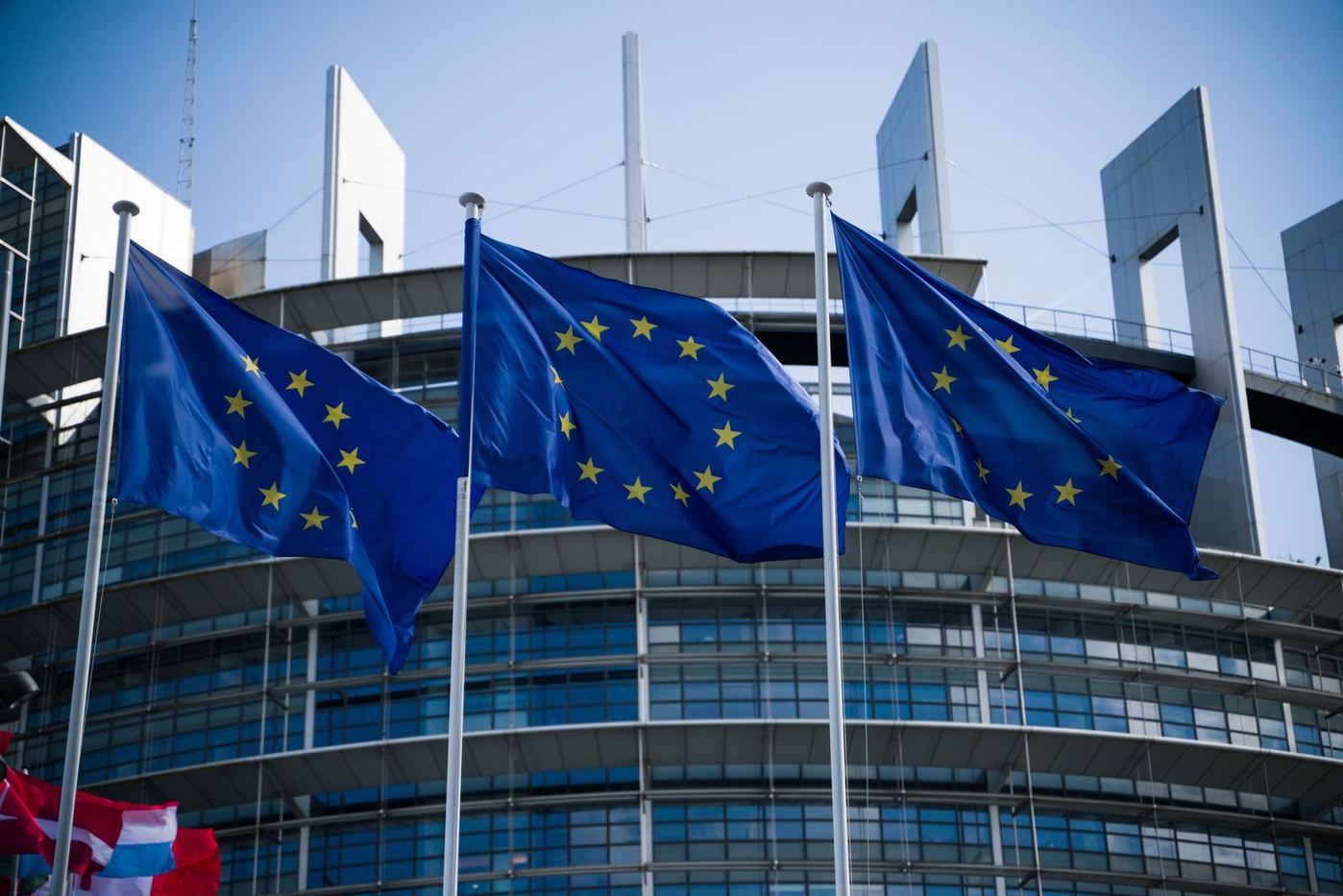
The European Union's 'Empowering Consumers for the Green Transition' directive, which introduced stricter requirements for environmental claims by beauty brands, became effective on September 27, 2026. NATRUE, the International Natural and Organic Cosmetics Association, has welcomed these new regulations.
The directive aims to tackle greenwashing and promote greater transparency for consumers, while also ensuring a fair competitive environment for businesses that genuinely invest in environmental and social sustainability.
New Rules for Environmental Claims
Under the directive, generic environmental statements, such as "eco-friendly" or "green," are no longer permitted without rigorous scientific evidence. Additionally, sustainability labels must now be based on transparent certification systems that have been independently verified by third parties.
Brand and product names that suggest environmental benefits will also face scrutiny, requiring concrete, documented, and non-misleading proof to support such assertions. NATRUE has long advocated for increased credibility in sustainability claims, supporting restrictions on generic terms unless backed by scientific data and a credible, independently verified scheme.
Offsetting and Future Commitments Under Scrutiny
The directive also broadens the range of practices considered misleading. It specifically prohibits claims suggesting a product has a neutral or positive environmental impact solely because a company has purchased carbon credits or invested in external offsetting projects.
Such claims can give consumers the impression that the environmental benefit is directly linked to the product, rather than originating from measures outside its value chain. Similarly, environmental benefits cannot be attributed to an entire cosmetic product or company when they apply only to a specific component, characteristic, or stage of the production process.
Forward-looking sustainability claims, like commitments to achieve climate neutrality by 2030, are only allowed if backed by clear implementation plans, measurable targets, and regular independent verification.
What This Means for Asian Exporters
This directive carries significant implications for Asian beauty brands that export to the European Union. Companies will need to review their product labeling, marketing materials, and digital communications to ensure all environmental claims meet the new, rigorous EU standards.
Compliance will require verifiable scientific substantiation for any 'green' attributes, potentially necessitating investments in new testing or certification processes.
For example, a Korean cosmetic brand claiming 'biodegradable' packaging would now need to provide independently verified data to support this, a shift from previous, less stringent requirements, to maintain market access.
Three newsletters, one newsroom.
The Beauty Brief delivers Asia's beauty week every Monday. Regulatory Radar tracks the rule changes that move markets. Trend Pulse decodes what consumers want next. All free to start.