Luxury Retailers Prioritize Value, Bold Styles Post-Paris Fashion Week
Major retailers Kirna Zabête, Bloomingdale's, and Harrods report increased consumer scrutiny on pricing, even as they back expressive fashion pieces and note strong performance from brands like Chanel.
Discerning Luxury Shoppers Drive Buying Shifts
Following Paris Fashion Week, luxury buyers from Kirna Zabête, Bloomingdale's, and Harrods are recalibrating their purchasing strategies to align with evolving consumer priorities. Retailers observe that while demand for new styles remains, shoppers are increasingly sensitive to price points.
Beth Buccini, founder of Kirna Zabête, noted that a red satin peplum jacket from Givenchy, priced at $6,900, would see significantly higher sales at a lower cost. This sentiment reflects a broader trend where even loyal customers of luxury brands are scrutinizing value more closely as prices continue to climb across the sector.
Retailers Back Strategic Investments, Distinctive Designs
In response, buyers are focusing their investments strategically. Buccini is increasing her spring budget but concentrating it on designers and categories with proven performance, citing Loewe for its collection and “fair” pricing, and Alaïa as a priority. She also noted Chloé's more wearable runway interpretations.
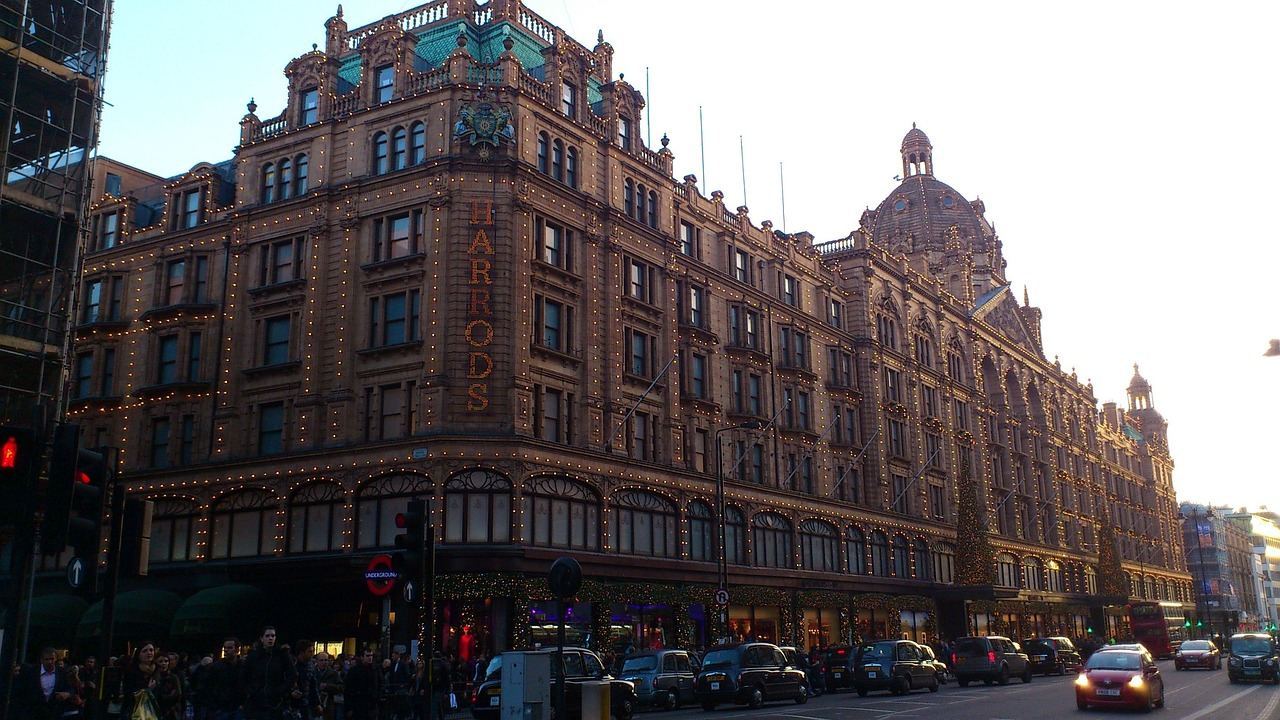
At Harrods, fashion buying director Simon Longland is emphasizing embellished runway pieces and a diverse range of skirts, alongside leather and suede items. Bloomingdale’s fashion director David Thielebeule highlighted distinctively designed familiar garments, such as Dries Van Noten's colorful jacquard jackets and Chanel's softer tailoring and playful accessories.
He described a “frenzy” for Chanel, which its fashion president Bruno Pavlovsky also confirmed as having “renewed momentum” in an October 5 interview.
US Luxury Spending Shows Mixed Trends
The broader spending environment for luxury goods in the United States presents a mixed picture. Citi's research note from October 6 indicated that US credit-card spending at luxury brands decreased by 5.8% year-over-year in September. However, ready-to-wear spending remained largely stable, showing a slight increase of 0.2% after a 1.6% decline in August.
Spending at high-end traditional department stores also saw positive growth, rising 3% compared to 1% in August. These figures, based on selected card transactions, suggest a nuanced consumer approach, with some segments of luxury showing resilience despite overall declines.
Implications for Asia's Luxury Beauty Market
These shifts in global luxury retail, particularly the increased consumer scrutiny on value and the move towards more expressive, distinctive designs, hold concrete implications for Asia's luxury beauty market.
Asian consumers are highly discerning, and brands operating in markets like Singapore, Seoul, or Shanghai may need to adapt their pricing strategies and product storytelling to emphasize perceived value.
The reported renewed momentum for Chanel, a major player in Asia's beauty sector, suggests that brands with strong heritage and compelling newness can still capture significant consumer interest.
Asian luxury beauty retailers should consider adjusting their merchandising to reflect a potential pivot from understated aesthetics to more vibrant, unique offerings that resonate with evolving preferences for individual expression.
Three newsletters, one newsroom.
The Beauty Brief delivers Asia's beauty week every Monday. Regulatory Radar tracks the rule changes that move markets. Trend Pulse decodes what consumers want next. All free to start.