Hybrid Beauty: Drugstore, Luxury for Maximalist Makeup
A new consumer profile highlights demand for playful, creative packaging and unique textures in premium beauty, even among users of NIVEA and e.l.f. Cosmetics.
Maximalist Aesthetic with Drugstore Foundations
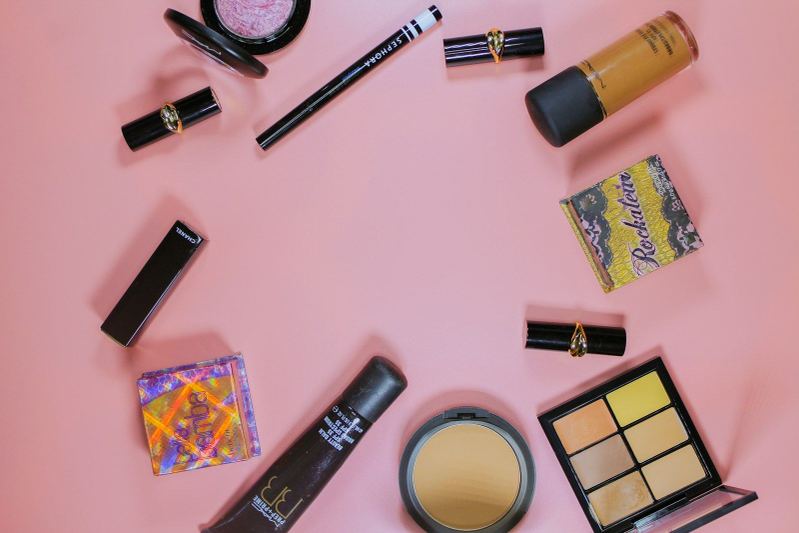
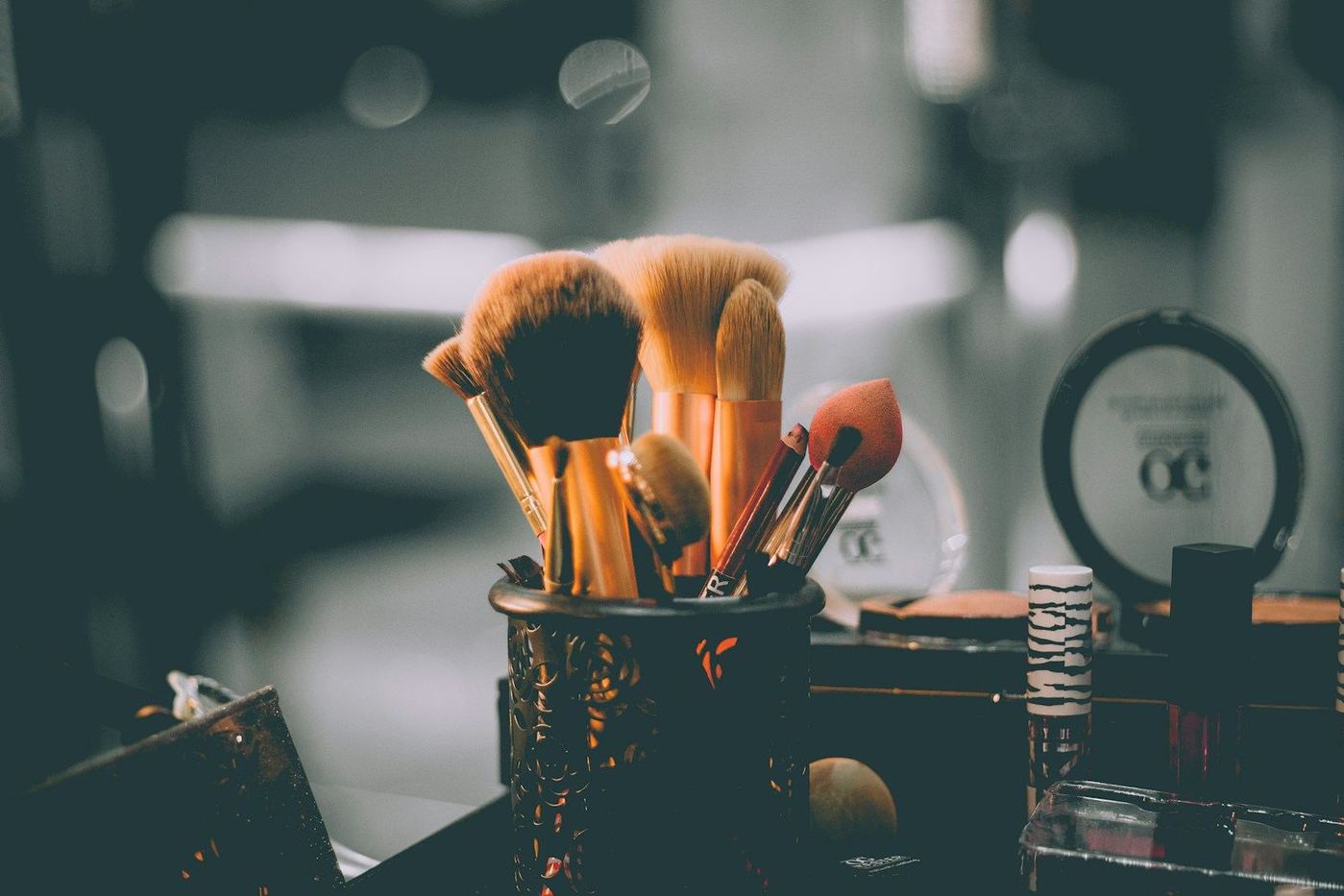
A recent profile by Global Cosmetics News highlights Kai, a consumer who embraces a maximalist make-up aesthetic with a grunge influence. Her routine emphasizes creativity, particularly in eye make-up, where she experiments with vivid eyeshadow colors and graphic eyeliner designs, including spirals. Kai primarily develops her own looks rather than following online tutorials.
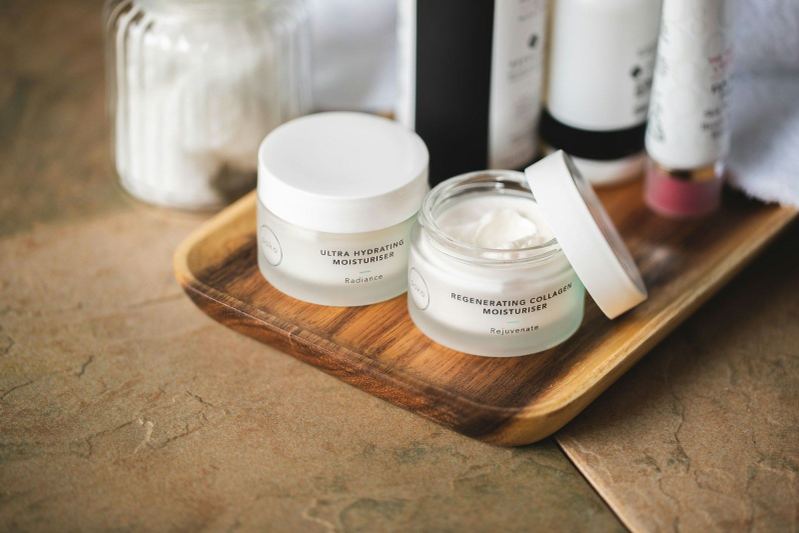
Her product selection combines accessible drugstore brands, starting with NIVEA Soft moisturizer. She then applies e.l.f. Cosmetics cream blush and bronzer, followed by Revolution powder and L'Oréal blush. Max Factor eyeliner completes her eye make-up. This approach demonstrates how various brands and price points can be integrated for distinct personal expression.
In-Store Shopping and Passive TikTok Inspiration
Kai's purchasing habits largely center on in-store shopping, with drugstores forming the core of her retail choices. In Germany, she frequently shops at dm, noting that drugstore products consistently meet her performance expectations. This observation suggests that strong product performance and creative potential are not exclusive to higher-priced items.
While TikTok occasionally provides passive make-up inspiration through her personalized feed, Kai does not actively seek out tutorials. Instead, she prefers to create her own unique styles, indicating that for some consumers, social media's role is more about general inspiration than direct instruction on product application.
Demand for Playful Luxury
Despite her satisfaction with the efficacy of drugstore make-up, Kai expresses a desire for more luxurious product options. She values packaging that is bright, colorful, and features interesting textures and playful designs, contributing to a visually distinctive product experience.
This preference identifies a potential gap in the market between accessible, high-performing drugstore items and traditional luxury beauty offerings. For consumers who prioritize experimental make-up, premium products may need to deliver more than just performance; they must also offer a strong sense of creativity, playfulness, and discovery to justify a higher price point.
Implications for Product Development in Asia
These consumer insights provide clear guidance for beauty brands, especially those operating in Asia. To attract experimental make-up users who appreciate maximalist styles, premium brands could integrate luxury cues with vibrant colors, unusual textures, and expressive product designs.
This strategy allows them to capture the emotional appeal of luxury without sacrificing the fun and creativity that initially draws consumers to more accessible options.
For Asian brands considering product development or market entry into segments with highly engaged consumers, focusing on packaging innovation and unique product aesthetics could differentiate offerings and encourage consumers to trade up from drugstore staples.
Three newsletters, one newsroom.
The Beauty Brief delivers Asia's beauty week every Monday. Regulatory Radar tracks the rule changes that move markets. Trend Pulse decodes what consumers want next. All free to start.