Amazon, ShopMy Gain Affiliate Favor Among College Creators
Young content creators are moving away from TikTok Shop due to saturation and finding LTK too complex, impacting how beauty brands connect with this demographic.
Affiliate Platform Preferences Evolve
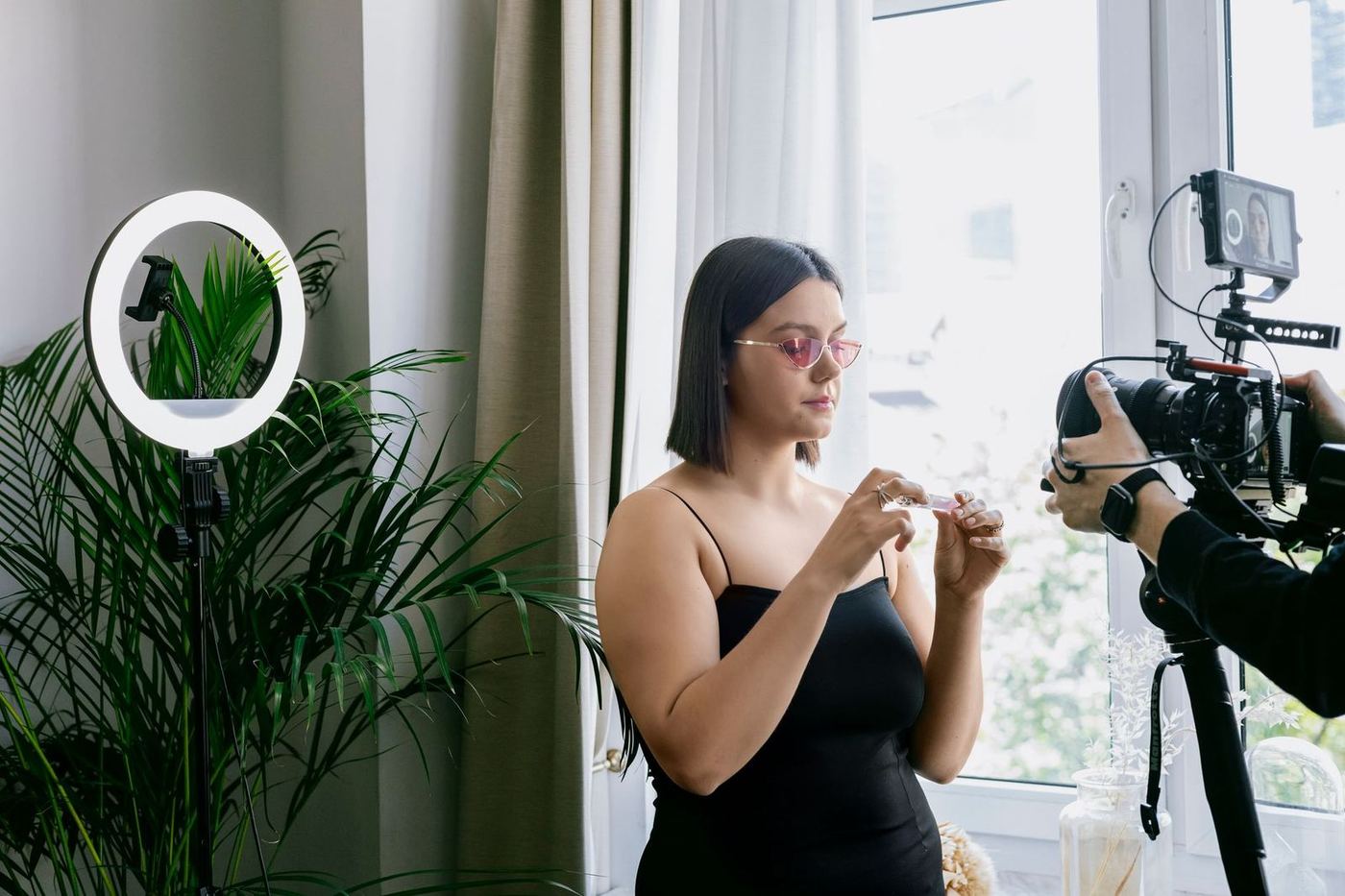
College-age content creators are adjusting their choices for affiliate revenue, increasingly favoring platforms like Amazon and ShopMy. This shift comes as some move away from TikTok Shop, citing market saturation, and find LTK too difficult for consistent use.
For example, creator Emma Ambrose reported generating nearly $1 million in gross merchandise value (GMV) through TikTok Shop early in her career. However, she has since reduced her reliance on the platform, noting its current oversaturation and the intense competition among creators.
This indicates a dynamic environment where platforms' viability changes as content and audiences develop, requiring creators to adapt their strategies for income generation.
Creator Feedback on Platform Usability
The complexity of certain affiliate platforms is a key factor in creators' decisions. Addison Campbell, a 20-year-old student, found LTK challenging to understand and utilize effectively. Sloane Wetzell, a recent graduate, echoed this sentiment, preferring ShopMy for its organization and ease of integration into her workflow, although she continues to explore LTK.
In contrast, 19-year-old creator Chrishawn Williams described Amazon as a more dependable partner. Williams noted that placing products in his Amazon storefront is straightforward and generates more income for him, largely because it aligns with his own purchasing habits and audience requests.
This feedback highlights the importance of user-friendly interfaces for content creators seeking efficient monetization avenues.
College-Age Shoppers Favor Amazon
Beyond affiliate income, these content creators are also changing their personal shopping habits, moving away from traditional physical malls and fast-fashion retailers like Shein, and increasingly towards Amazon. Joanne Ibeziako, a student creator, stated she buys "almost everything" on Amazon, including school essentials.
Creators express that malls are often unnecessary when they already know what they want.
Chrishawn Williams mentioned he visits malls primarily for "skin care, makeup, or anything that I know I need to actually see in person." Emma Ambrose described a recent mall visit as "overstimulating" and unproductive for a quick shopping task, contrasting it with the efficiency of online shopping for specific items.
Beauty Retail's Digital Strategy Imperative
This evolving behavior among college-age content creators and consumers presents a clear message for Asian beauty brands and retailers. The preference for platforms like Amazon for affiliate partnerships indicates that brands must develop effective digital presence and direct-to-consumer channels to engage this demographic.
While the overall trend leans online, the continued use of physical stores for "skin care, makeup" suggests that in-person product experience remains a draw. Asian beauty companies should evaluate their digital marketing spend on newer platforms and ensure their online storefronts offer compelling reasons for purchase.
They must also consider how to integrate in-store experiences with their online offerings by 11 April 2027 to adapt to these changing consumer preferences.
Three newsletters, one newsroom.
The Beauty Brief delivers Asia's beauty week every Monday. Regulatory Radar tracks the rule changes that move markets. Trend Pulse decodes what consumers want next. All free to start.