Korea Targets Aesthetic Medical Device Exports, Eyes Asian Markets
The Korea Health Industry Development Institute projects medical device exports to reach $6.2 billion in 2026, with a strategic focus on aesthetic devices and digital health solutions for key Asian economies.
Korea's Medical Device Export Performance
Korea's biohealth industry, which includes pharmaceuticals, medical devices, and cosmetics, saw its medical device exports peak at $9.2 billion in 2021. However, these exports declined to $5.8 billion in 2023, a 29.5 percent drop from 2022. This downturn was largely due to decreased global demand for Covid-19 diagnostic products and a general slowdown in the world economy.
Despite the dip, the Korea Health Industry Development Institute (KHIDI) projects a recovery, with exports expected to rise 2.9 percent to approximately $6 billion in 2025, and then grow 4.5 percent to $6.2 billion in 2026.
Strategic Focus on Aesthetic and Digital Devices
Lee Jin-hyu, Vice President of the Korea Medical Devices Industry Association (KMDIA), notes that while the pandemic initially boosted exports of in vitro diagnostic devices, the subsequent decline offers a chance to refine future strategies. Korea's medical device sector traditionally relies on ultrasound equipment and implants.
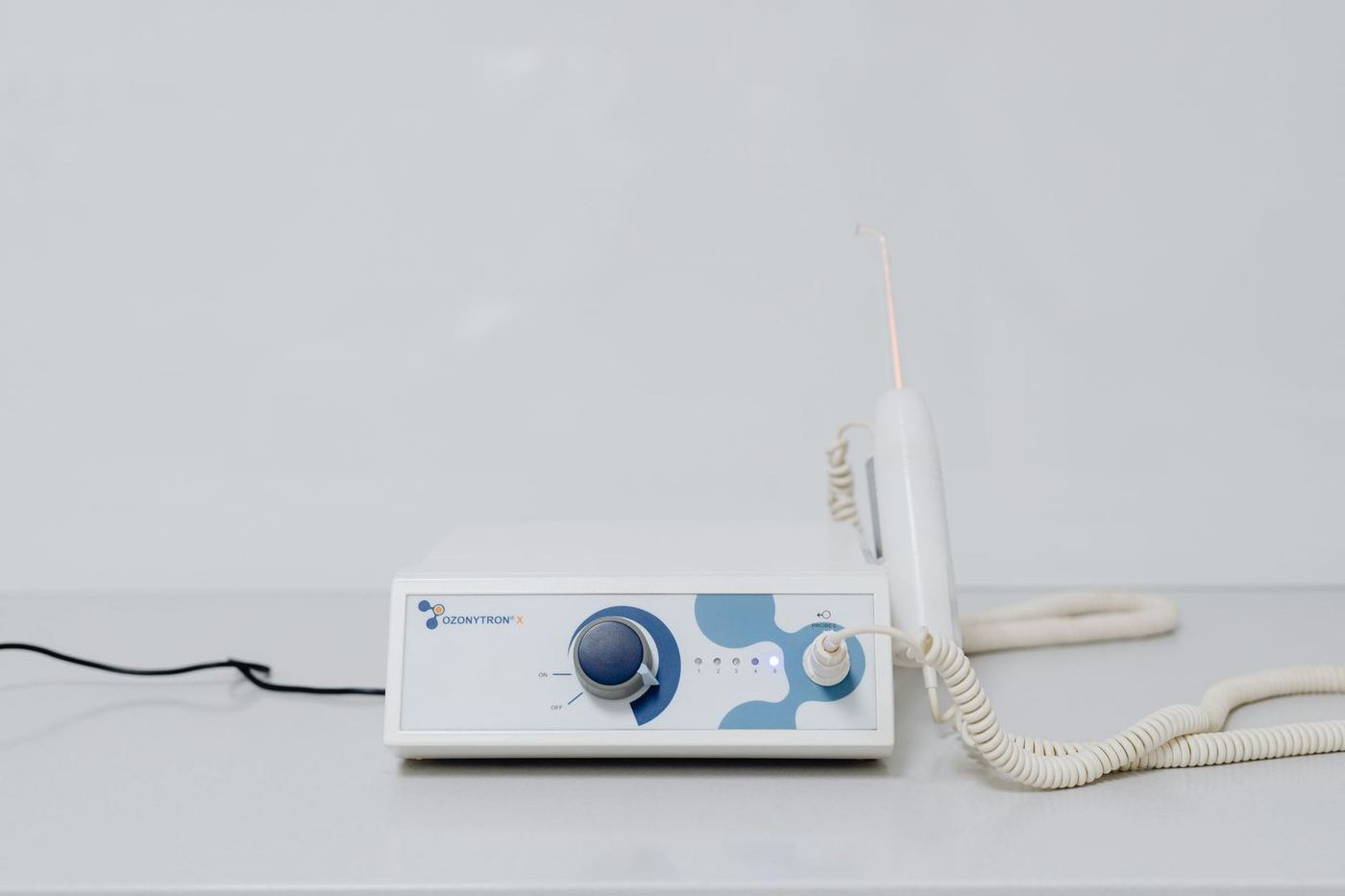
However, diagnostic devices, aesthetic medical devices, and medical imaging equipment also hold significant export positions. The KMDIA recommends concentrating resources on established strengths like diagnostic and aesthetic medical devices, and implants, to boost their global competitiveness.
Furthermore, digital medical devices, including those powered by artificial intelligence, are identified as a critical future growth engine. Korea gained early experience by establishing specific regulations for AI-based medical devices and contributing to international regulatory alignment.
Market Diversification and Regulatory Alignment
To achieve these export goals, Korea plans to shift its market focus. While the United States has historically been a primary destination for Korean medical device exports, the new strategy emphasizes increased attention on Asian markets.
Government policies are expected to support this pivot, with Vietnam serving as an example of successful cooperation in strengthening medical device regulatory management. Other promising markets for similar initiatives include Thailand and Indonesia.
Korea also aims to identify priority product categories and strengthen export-related regulatory strategies for them, pursuing regulatory harmonization with target countries. This approach seeks to secure market advantages and facilitate access for Korean companies.
Implications for Asia's Beauty Economy
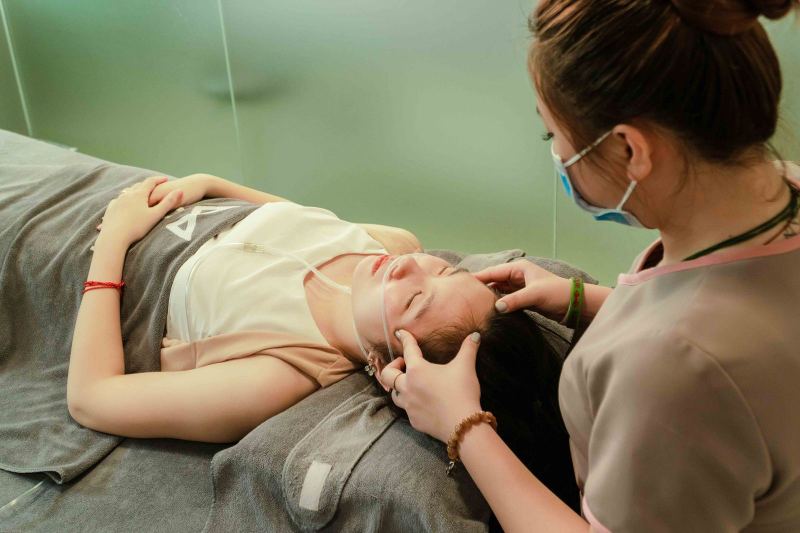
This strategic redirection by Korea holds direct implications for Asia's beauty economy, particularly for professional aesthetics. Manufacturers and distributors of Korean aesthetic medical devices will likely intensify their engagement in markets like Vietnam, Thailand, and Indonesia, potentially increasing competition for local players but also expanding product availability.
Regional clinics and aesthetic practitioners can expect a wider range of advanced Korean devices, especially those incorporating digital and AI technologies, driven by Korea's proactive regulatory framework.
For Asian regulators, Korea's push for international harmonization and its experience with AI device regulation may offer a model for developing their own frameworks, streamlining market entry for innovative beauty and aesthetic technologies across the region.
Three newsletters, one newsroom.
The Beauty Brief delivers Asia's beauty week every Monday. Regulatory Radar tracks the rule changes that move markets. Trend Pulse decodes what consumers want next. All free to start.